Group Services

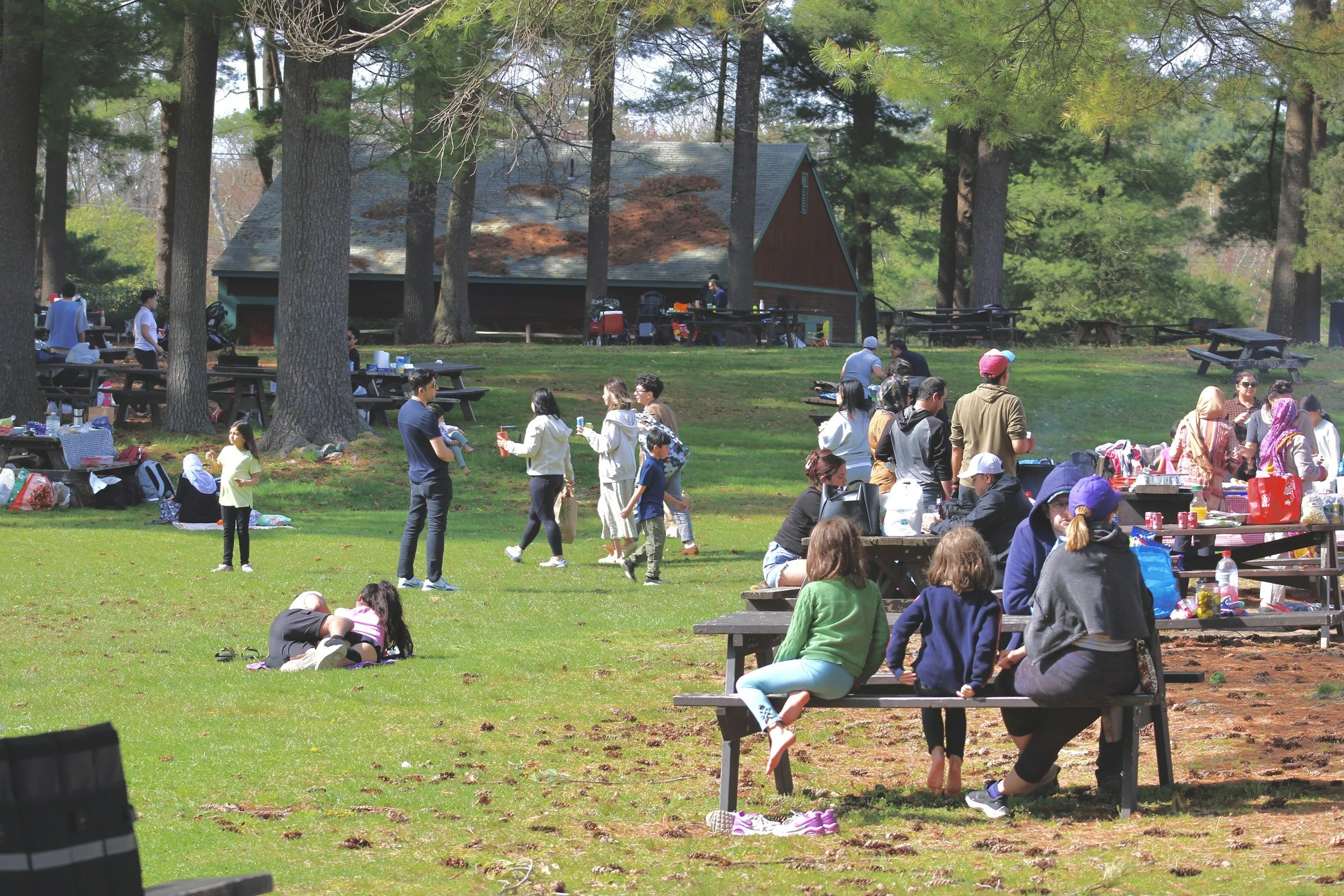
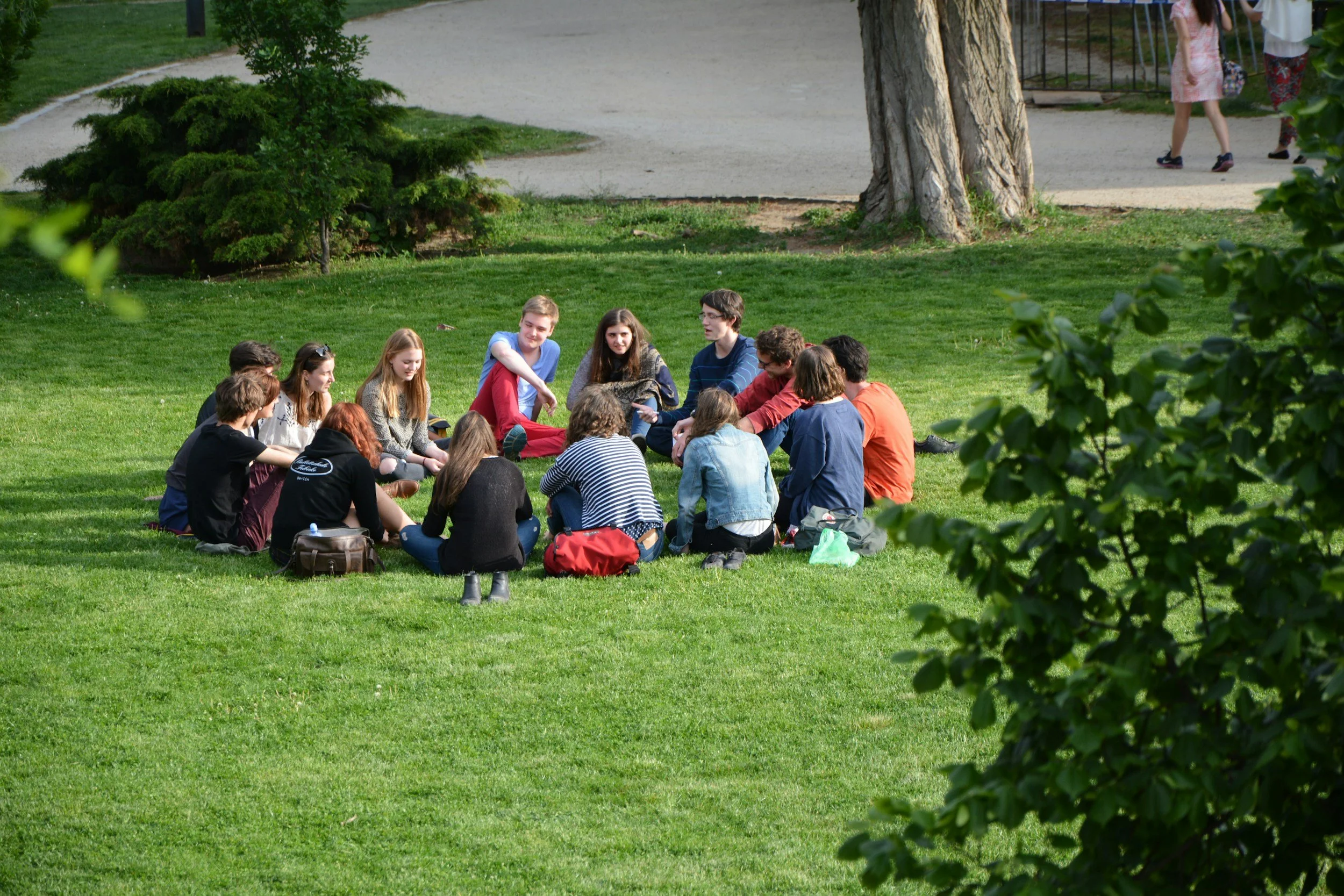
Our group therapy options offer collaborative, supportive spaces where you can connect with others facing similar circumstances. Sessions are held in a comfortable, confidential atmosphere that encourages sharing, mutual learning, and practical growth. Guided by experienced facilitators, each group blends evidence-based techniques with mindfulness practices to help you:

  • Reduce isolation and build community through shared experiences

  • Learn coping strategies and emotion regulation skills in a real-world context

  • Practice communication and boundary-setting in a safe environment

  • Receive feedback and encouragement that reinforce progress between sessions

Groups are small and structured to promote psychological safety, with clear agreements on confidentiality and respectful participation.

  • Group Therapy for Kupuna and Their Caregivers

    Overview Group therapy for kupuna (elderly individuals) and their caregivers creates a shared, supportive space to address the emotional, practical, and relational challenges of aging and caregiving. Well-designed groups reduce isolation, normalize difficult feelings, build coping skills, and strengthen communication between kupuna and caregivers. These groups can be therapeutic, educational, and community-building.

    Goals

    • Reduce isolation and loneliness for kupuna and caregivers

    • Provide emotional support and validation for common caregiving stressors

    • Teach practical coping strategies for anxiety, depression, grief, and caregiver burnout

    • Improve communication and problem-solving between kupuna and caregivers

    • Share resources and coordinate community supports

    • Foster resilience, meaning, and quality of life

    Who benefits

    • Kupuna experiencing life transitions: health decline, loss of independence, grief, chronic illness, cognitive changes

    • Family members, friends, and professional caregivers providing day-to-day support

    • Caregiver pairs (adult child and parent), spouses, or multi-generational groups

    • Communities seeking culturally sensitive, accessible services for older adults

    Format and structure

    • Group size: 6–10 participants for balanced sharing and attention

    • Session length: 60–90 minutes

    • Frequency: weekly or biweekly; typical run: 8–12 weeks with option to continue in open/ongoing groups

    • Setting: accessible community space (senior center, clinic, faith-based site) or facilitated online with tech support

    • Facilitators: licensed mental health professional with geriatric experience and/or trained group facilitator; inclusion of cultural/community leaders and peer facilitators strengthens relevance

    • Accessibility: mobility accommodations, hearing support (amplifiers, captions), large-print handouts, transportation assistance when possible

    • Confidentiality: clear group agreements, informed consent, boundaries around privacy and safety

    Core session components

    • Check-in: brief emotional and physical status update from each participant

    • Psychoeducation: short teaching focused on topics such as stress, grief, dementia, communication, self-care, boundaries, and community resources

    • Skill practice: guided exercises (breathing, grounding, behavioral activation, problem-solving, restorative movement, adaptive communication scripts)

    • Group processing: facilitated sharing using structured prompts, reflective listening, and supportive feedback

    • Closing: summary, self-care plan, and brief relaxation or grounding practice

    Sample weekly themes

    1. Introduction, group agreements, goals; normalizing caregiving experiences

    2. Understanding aging: common medical, cognitive, and emotional changes

    3. Stress, burnout, and self-care strategies for caregivers

    4. Grief and loss across aging: anticipatory grief and mourning what’s changed

    5. Communication skills: validating language, boundary-setting, and collaborative planning

    6. Navigating medical systems and advocacy: preparing for visits, care planning

    7. Memory changes and dementia: practical approaches, behavior support, and safety

    8. Managing difficult emotions: anxiety, depression, guilt, and shame

    9. Meaning, identity, and roles: maintaining dignity, legacy work, and life review

    10. Community resources, respite planning, and next steps

    Therapeutic techniques and interventions

    • Cognitive-behavioral tools: cognitive reframing, activity scheduling, worry time

    • Acceptance and Commitment Therapy (ACT): values clarification, committed action, acceptance of difficult thoughts

    • Narrative and life review: guided storytelling to reinforce identity and purpose

    • Mindfulness and relaxation: brief meditations, breathwork, body scans adapted for elders

    • Interpersonal process: structured feedback, role-plays for communication

    • Psychoeducation on dementia behaviors and de-escalation strategies

    • Problem-solving therapy to address immediate caregiving challenges

    Cultural responsiveness and person-centered care

    • Honor cultural values around aging, family roles, spirituality, and end-of-life preferences

    • Use culturally relevant language (e.g., kupuna), stories, and practices

    • Include bilingual facilitators and translated materials when needed

    • Invite elders and caregivers to co-design group content and rituals

    • Respect intergenerational dynamics and ensure safe spaces for differing perspectives

    Caregiver-specific supports

    • Separate caregiver-only breakout segments (part of sessions or separate groups) to explore feelings they may not share in front of kupuna

    • Respite planning and linking caregivers to in-home supports, adult day programs, and community services

    • Strategies for boundary-setting, shared responsibility, and negotiating family roles

    • Tools for managing guilt, perfectionism, and chronic stress

    Kupuna-specific supports

    • Opportunities for peer connection and reminiscence

    • Activities supporting autonomy and purpose (volunteer roles, creative expression, life review)

    • Adaptive interventions for sensory or cognitive impairments (slower pacing, visual aids)

    • Attention to dignity, consent, and capacity in group activities

    Risk management and safety

    Group Therapy for Kupuna and Their Caregivers

    Overview Group therapy for kupuna (elderly individuals) and their caregivers creates a shared, supportive space to address the emotional, practical, and relational challenges of aging and caregiving. Well-designed groups reduce isolation, normalize difficult feelings, build coping skills, and strengthen communication between kupuna and caregivers. These groups can be therapeutic, educational, and community-building.

    Goals

    • Reduce isolation and loneliness for kupuna and caregivers

    • Provide emotional support and validation for common caregiving stressors

    • Teach practical coping strategies for anxiety, depression, grief, and caregiver burnout

    • Improve communication and problem-solving between kupuna and caregivers

    • Share resources and coordinate community supports

    • Foster resilience, meaning, and quality of life

    Who benefits

    • Kupuna experiencing life transitions: health decline, loss of independence, grief, chronic illness, cognitive changes

    • Family members, friends, and professional caregivers providing day-to-day support

    • Caregiver pairs (adult child and parent), spouses, or multi-generational groups

    • Communities seeking culturally sensitive, accessible services for older adults

    Format and structure

    • Group size: 6–10 participants for balanced sharing and attention

    • Session length: 60–90 minutes

    • Frequency: weekly or biweekly; typical run: 8–12 weeks with option to continue in open/ongoing groups

    • Setting: accessible community space (senior center, clinic, faith-based site) or facilitated online with tech support

    • Facilitators: licensed mental health professional with geriatric experience and/or trained group facilitator; inclusion of cultural/community leaders and peer facilitators strengthens relevance

    • Accessibility: mobility accommodations, hearing support (amplifiers, captions), large-print handouts, transportation assistance when possible

    • Confidentiality: clear group agreements, informed consent, boundaries around privacy and safety

    Core session components

    • Check-in: brief emotional and physical status update from each participant

    • Psychoeducation: short teaching focused on topics such as stress, grief, dementia, communication, self-care, boundaries, and community resources

    • Skill practice: guided exercises (breathing, grounding, behavioral activation, problem-solving, restorative movement, adaptive communication scripts)

    • Group processing: facilitated sharing using structured prompts, reflective listening, and supportive feedback

    • Closing: summary, self-care plan, and brief relaxation or grounding practice

    Sample weekly themes

    1. Introduction, group agreements, goals; normalizing caregiving experiences

    2. Understanding aging: common medical, cognitive, and emotional changes

    3. Stress, burnout, and self-care strategies for caregivers

    4. Grief and loss across aging: anticipatory grief and mourning what’s changed

    5. Communication skills: validating language, boundary-setting, and collaborative planning

    6. Navigating medical systems and advocacy: preparing for visits, care planning

    7. Memory changes and dementia: practical approaches, behavior support, and safety

    8. Managing difficult emotions: anxiety, depression, guilt, and shame

    9. Meaning, identity, and roles: maintaining dignity, legacy work, and life review

    10. Community resources, respite planning, and next steps

    Therapeutic techniques and interventions

    • Cognitive-behavioral tools: cognitive reframing, activity scheduling, worry time

    • Acceptance and Commitment Therapy (ACT): values clarification, committed action, acceptance of difficult thoughts

    • Narrative and life review: guided storytelling to reinforce identity and purpose

    • Mindfulness and relaxation: brief meditations, breathwork, body scans adapted for elders

    • Interpersonal process: structured feedback, role-plays for communication

    • Psychoeducation on dementia behaviors and de-escalation strategies

    • Problem-solving therapy to address immediate caregiving challenges

    Cultural responsiveness and person-centered care

    • Honor cultural values around aging, family roles, spirituality, and end-of-life preferences

    • Use culturally relevant language (e.g., kupuna), stories, and practices

    • Include bilingual facilitators and translated materials when needed

    • Invite elders and caregivers to co-design group content and rituals

    • Respect intergenerational dynamics and ensure safe spaces for differing perspectives

    Caregiver-specific supports

    • Separate caregiver-only breakout segments (part of sessions or separate groups) to explore feelings they may not share in front of kupuna

    • Respite planning and linking caregivers to in-home supports, adult day programs, and community services

    • Strategies for boundary-setting, shared responsibility, and negotiating family roles

    • Tools for managing guilt, perfectionism, and chronic stress

    Kupuna-specific supports

    • Opportunities for peer connection and reminiscence

    • Activities supporting autonomy and purpose (volunteer roles, creative expression, life review)

    • Adaptive interventions for sensory or cognitive impairments (slower pacing, visual aids)

    • Attention to dignity, consent, and capacity in group activities

  • Group Therapy for Children with Social Challenges or on the Autism Spectrum

    Group therapy can be a powerful, evidence-informed way to help children who have social difficulties or are on the autism spectrum develop skills, build confidence, and form supportive peer connections. Below is a practical overview for parents, caregivers, and clinicians considering or planning group therapy.

    What group therapy can help with

    • Social communication skills: initiating and maintaining conversations, turn-taking, topic maintenance, asking and responding to questions.

    • Nonverbal communication: eye contact (as tolerated), gestures, facial expression recognition, personal space awareness.

    • Emotion recognition and regulation: identifying feelings in self and others, calming strategies, coping plans for anxiety or frustration.

    • Play and interaction skills: cooperative play, sharing, negotiating, imaginative play, joining peers.

    • Problem-solving and perspective-taking: understanding others’ intentions, predicting reactions, resolving conflicts.

    • Self-advocacy and independence: expressing needs, asking for help, using supports, practicing routines.

    Types of groups and formats

    • Skills-training groups: structured sessions that teach specific social skills using modeling, role-play, video modeling, and practice. Typically led by a clinician or behavioral therapist.

    • Social skills groups: focus on applying skills in peer contexts; may follow a curriculum but emphasize interactional practice.

    • Psychoeducational groups: teach children and sometimes caregivers about autism, emotions, and strategies for daily life.

    • Play-based groups: use play activities (structured and free) to foster social engagement, especially for younger children.

    • Peer-mediated groups: peers without disabilities are trained to support social interaction, often effective for inclusive settings.

    • Parent-supported or parent training groups: combine child sessions with parent education so caregivers can reinforce skills at home.

    Key components of effective groups

    • Small size: 4–6 children is common to allow individualized attention and manageable interactions.

    • Clear structure and predictable routines: agendas, visual schedules, and consistent session flow help children feel safe and understand expectations.

    • Individualized goals within a group framework: tailor targets to each child’s needs while aligning with group objectives.

    • Skill generalization and practice: opportunities to apply skills across settings (playground, classroom, home) and real-world tasks.

    • Multimodal teaching strategies: combine verbal instruction, modeling, visual supports, social stories, video modeling, and hands-on practice.

    • Use of reinforcement and natural consequences: positive reinforcement for target behaviors and natural outcomes for social behavior.

    • Collaboration with caregivers and schools: share goals, strategies, and progress to ensure consistency.

    Session structure (example 60–75 minute session)

    • Welcome and routine check-in (5–10 minutes): visual schedule, calendar, brief mood check.

    • Warm-up activity (10 minutes): short structured game to practice greetings and turn-taking.

    • Skill-teaching segment (10–15 minutes): introduce the target skill with modeling, social stories, or video.

    • Guided practice (15–20 minutes): role-plays, small-group activities, or game-based tasks with therapist coaching.

    • Generalization activity (10–15 minutes): free play or structured cooperative task where children use skills in a more natural context.

    • Closing and reinforcement (5–10 minutes): review successes, give positive feedback, set a small home practice, and share notes with caregivers.

    Therapist roles and qualifications

    • Trained clinician (e.g., child psychologist, speech-language pathologist, licensed social worker, behavior analyst) with experience in autism and child development.

    • Skills include behavior management, curriculum adaptation, use of visual supports, facilitating peer interactions, and working with families.

    • Co-facilitation often helpful: one clinician can lead while another coaches and monitors individual needs.

    Assessment and goal-setting

    • Baseline assessment: social communication checklists, observation in natural settings, parent/teacher reports, standardized measures when appropriate.

    • SMART goals: specific, measurable, achievable, relevant, time-limited objectives tailored to each child.

    • Regular progress monitoring: session notes, brief checklists, and periodic reassessment to adjust targets and strategies.

    Safety, inclusion, and accessibility

    • Sensory accommodations: quiet space, sensory tools (fidgets, weighted blankets), adjustable lighting, movement breaks.

    • Behavioral plans: clear expectations, visual rules, predictable consequences, and individualized supports for challenging behavior.

    • Communication access: augmentative and alternative communication (AAC) use supported and integrated into group activities.

    • Cultural and linguistic responsiveness: respect family values, language preferences, and communication styles.

    Measuring success

    • Increased initiation of social interaction and response rates.

    • Improved ability to participate in play or group activities for longer durations.

    • Reduction in meltdowns or withdrawal during social situations.

    • Positive feedback from parents, teachers, and the child about comfort and competence.

    • Generalization of skills to home, school, and community settings.

    Tips

    Group Therapy for Children with Social Challenges or on the Autism Spectrum

    Group therapy can be a powerful, evidence-informed way to help children who have social difficulties or are on the autism spectrum develop skills, build confidence, and form supportive peer connections. Below is a practical overview for parents, caregivers, and clinicians considering or planning group therapy.

    What group therapy can help with

    • Social communication skills: initiating and maintaining conversations, turn-taking, topic maintenance, asking and responding to questions.

    • Nonverbal communication: eye contact (as tolerated), gestures, facial expression recognition, personal space awareness.

    • Emotion recognition and regulation: identifying feelings in self and others, calming strategies, coping plans for anxiety or frustration.

    • Play and interaction skills: cooperative play, sharing, negotiating, imaginative play, joining peers.

    • Problem-solving and perspective-taking: understanding others’ intentions, predicting reactions, resolving conflicts.

    • Self-advocacy and independence: expressing needs, asking for help, using supports, practicing routines.

    Types of groups and formats

    • Skills-training groups: structured sessions that teach specific social skills using modeling, role-play, video modeling, and practice. Typically led by a clinician or behavioral therapist.

    • Social skills groups: focus on applying skills in peer contexts; may follow a curriculum but emphasize interactional practice.

    • Psychoeducational groups: teach children and sometimes caregivers about autism, emotions, and strategies for daily life.

    • Play-based groups: use play activities (structured and free) to foster social engagement, especially for younger children.

    • Peer-mediated groups: peers without disabilities are trained to support social interaction, often effective for inclusive settings.

    • Parent-supported or parent training groups: combine child sessions with parent education so caregivers can reinforce skills at home.

    Key components of effective groups

    • Small size: 4–6 children is common to allow individualized attention and manageable interactions.

    • Clear structure and predictable routines: agendas, visual schedules, and consistent session flow help children feel safe and understand expectations.

    • Individualized goals within a group framework: tailor targets to each child’s needs while aligning with group objectives.

    • Skill generalization and practice: opportunities to apply skills across settings (playground, classroom, home) and real-world tasks.

    • Multimodal teaching strategies: combine verbal instruction, modeling, visual supports, social stories, video modeling, and hands-on practice.

    • Use of reinforcement and natural consequences: positive reinforcement for target behaviors and natural outcomes for social behavior.

    • Collaboration with caregivers and schools: share goals, strategies, and progress to ensure consistency.

    Session structure (example 60–75 minute session)

    • Welcome and routine check-in (5–10 minutes): visual schedule, calendar, brief mood check.

    • Warm-up activity (10 minutes): short structured game to practice greetings and turn-taking.

    • Skill-teaching segment (10–15 minutes): introduce the target skill with modeling, social stories, or video.

    • Guided practice (15–20 minutes): role-plays, small-group activities, or game-based tasks with therapist coaching.

    • Generalization activity (10–15 minutes): free play or structured cooperative task where children use skills in a more natural context.

    • Closing and reinforcement (5–10 minutes): review successes, give positive feedback, set a small home practice, and share notes with caregivers.

    Therapist roles and qualifications

    • Trained clinician (e.g., child psychologist, speech-language pathologist, licensed social worker, behavior analyst) with experience in autism and child development.

    • Skills include behavior management, curriculum adaptation, use of visual supports, facilitating peer interactions, and working with families.

    • Co-facilitation often helpful: one clinician can lead while another coaches and monitors individual needs.

    Assessment and goal-setting

    • Baseline assessment: social communication checklists, observation in natural settings, parent/teacher reports, standardized measures when appropriate.

    • SMART goals: specific, measurable, achievable, relevant, time-limited objectives tailored to each child.

    • Regular progress monitoring: session notes, brief checklists, and periodic reassessment to adjust targets and strategies.

    Safety, inclusion, and accessibility

    • Sensory accommodations: quiet space, sensory tools (fidgets, weighted blankets), adjustable lighting, movement breaks.

    • Behavioral plans: clear expectations, visual rules, predictable consequences, and individualized supports for challenging behavior.

    • Communication access: augmentative and alternative communication (AAC) use supported and integrated into group activities.

    • Cultural and linguistic responsiveness: respect family values, language preferences, and communication styles.

    Measuring success

    • Increased initiation of social interaction and response rates.

    • Improved ability to participate in play or group activities for longer durations.

    • Reduction in meltdowns or withdrawal during social situations.

    • Positive feedback from parents, teachers, and the child about comfort and competence.

    • Generalization of skills to home, school, and community settings.

    Tips for parents and caregivers

  • No-Screen Nature Club for Kids

    Overview

    • A playful, screen-free club where children (ages 6–12) unplug and reconnect with the outdoors.

    • Meets weekly for 60–90 minutes; options for after-school, weekend, or summer sessions.

    • Focus: curiosity, exploration, creativity, simple science, and social play without screens.

    Core Principles

    • Screen-free: Devices tucked away at arrival to create a tech-free zone.

    • Child-led curiosity: Activities follow children’s interests and pace.

    • Small groups: 8–12 kids per facilitator for safety and connection.

    • Inclusive and low-cost materials: Use natural and recycled supplies whenever possible.

    • Mindful connection: Encourage attention, presence, and respect for nature.

    Typical Session Structure (60–90 minutes)

    1. Welcome Circle (5–10 min)

      • Brief grounding: breath or listening game.

      • Share one nature observation or intention for the session.

    2. Warm-Up Play (10–15 min)

      • Movement games: animal imitations, scavenger race, follower walks.

      • Sensory game: blindfolded scent or texture exploration.

    3. Guided Exploration (20–30 min)

      • Nature hunt: themed for seasons (leaf shapes, insects, bark textures).

      • Mini-research: sketch, measure, or collect non-living objects for a class nature table.

    4. Creative Project (15–25 min)

      • Crafts from found objects: leaf rubbings, nature collages, stick frames.

      • Storytelling or role-play inspired by observations.

      • Simple science experiments: soil layering jars, magnifying glass investigations.

    5. Reflection & Closing (5–10 min)

      • Share discoveries; practice a gratitude circle for something in nature.

      • Quick goodbye ritual: a chant, clap pattern, or a collective deep breath.

    Program Themes & Seasonal Ideas

    • Spring: Buds, insects, seed planting, puddle art.

    • Summer: Water play, shadow mapping, night-sky storytelling (earlier evening sessions).

    • Fall: Leaf identification, nature weaving, migration stories.

    • Winter: Tree shapes, bird feeders, nature journaling, sensory snow study.

    Safety & Logistics

    • Outdoor-first approach with a shaded backup area or nearby indoor space for bad weather.

    • Basic safety policies: sign-in/out, emergency contact, sun protection, small first-aid kit, allergy awareness.

    • Appropriate clothing checklist for families.

    • Clear device policy: phones allowed only for emergency use by parents; staff keep devices off.

    Materials & Low-Prep Activities

    • Nature journals, crayons, magnifying glasses, small buckets, tweezers.

    • Recycled paper, string, and clothespins for crafts.

    • Simple scavenger cards and stamps for older or younger groups.

    • Portable naturalist kit: field guides, binoculars, bug viewer.

    Family & Community Engagement

    • Monthly family nature nights: families invited to join a longer session or guided walk.

    • Take-home prompts: mini nature missions to continue exploration during the week.

    • Seasonal showcase: children display nature art and observations for families.

    Benefits for Children

    • Reduced screen reliance and increased attention span.

    • Improved physical activity, sensory development, and creativity.

    • Stronger emotional regulation and social skills through unstructured play and cooperative projects.

    • Greater environmental awareness and stewardship.

    Launching Tips

    • Start with a pilot 6-week session and gather parent feedback.

    • Partner with local parks, libraries, or schools for space and outreach.

    • Train facilitators in child-first outdoor education, safety, and non-competitive group management.

    • Keep sign-up simple and transparent about expectations and refund policies.

    Sample Weekly Theme (Week 3: Mini-Beasts & Micro-Habitats)

    • Welcome: listen for insect sounds.

    • Warm-up: “freeze bug” movements.

    • Exploration: look under logs, turn over stones (with restoration), use magnifiers.

    • Project: build a mini-habitat in a clear jar using soil, leaves, and small twigs; observe over weeks.

    • Closing: gratitude circle for the tiny creatures that help our world.

    A No-Screen Nature Club makes outdoor time joyful, social, and creative—helping children build lifelong habits of presence, curiosity, and care for the natural world

    No-Screen Nature Club for Kids

    Overview

    • A playful, screen-free club where children (ages 6–12) unplug and reconnect with the outdoors.

    • Meets weekly for 60–90 minutes; options for after-school, weekend, or summer sessions.

    • Focus: curiosity, exploration, creativity, simple science, and social play without screens.

    Core Principles

    • Screen-free: Devices tucked away at arrival to create a tech-free zone.

    • Child-led curiosity: Activities follow children’s interests and pace.

    • Small groups: 8–12 kids per facilitator for safety and connection.

    • Inclusive and low-cost materials: Use natural and recycled supplies whenever possible.

    • Mindful connection: Encourage attention, presence, and respect for nature.

    Typical Session Structure (60–90 minutes)

    1. Welcome Circle (5–10 min)

      • Brief grounding: breath or listening game.

      • Share one nature observation or intention for the session.

    2. Warm-Up Play (10–15 min)

      • Movement games: animal imitations, scavenger race, follower walks.

      • Sensory game: blindfolded scent or texture exploration.

    3. Guided Exploration (20–30 min)

      • Nature hunt: themed for seasons (leaf shapes, insects, bark textures).

      • Mini-research: sketch, measure, or collect non-living objects for a class nature table.

    4. Creative Project (15–25 min)

      • Crafts from found objects: leaf rubbings, nature collages, stick frames.

      • Storytelling or role-play inspired by observations.

      • Simple science experiments: soil layering jars, magnifying glass investigations.

    5. Reflection & Closing (5–10 min)

      • Share discoveries; practice a gratitude circle for something in nature.

      • Quick goodbye ritual: a chant, clap pattern, or a collective deep breath.

    Program Themes & Seasonal Ideas

    • Spring: Buds, insects, seed planting, puddle art.

    • Summer: Water play, shadow mapping, night-sky storytelling (earlier evening sessions).

    • Fall: Leaf identification, nature weaving, migration stories.

    • Winter: Tree shapes, bird feeders, nature journaling, sensory snow study.

    Safety & Logistics

    • Outdoor-first approach with a shaded backup area or nearby indoor space for bad weather.

    • Basic safety policies: sign-in/out, emergency contact, sun protection, small first-aid kit, allergy awareness.

    • Appropriate clothing checklist for families.

    • Clear device policy: phones allowed only for emergency use by parents; staff keep devices off.

    Materials & Low-Prep Activities

    • Nature journals, crayons, magnifying glasses, small buckets, tweezers.

    • Recycled paper, string, and clothespins for crafts.

    • Simple scavenger cards and stamps for older or younger groups.

    • Portable naturalist kit: field guides, binoculars, bug viewer.

    Family & Community Engagement

    • Monthly family nature nights: families invited to join a longer session or guided walk.

    • Take-home prompts: mini nature missions to continue exploration during the week.

    • Seasonal showcase: children display nature art and observations for families.

    Benefits for Children

    • Reduced screen reliance and increased attention span.

    • Improved physical activity, sensory development, and creativity.

    • Stronger emotional regulation and social skills through unstructured play and cooperative projects.

    • Greater environmental awareness and stewardship.

    Launching Tips

    • Start with a pilot 6-week session and gather parent feedback.

    • Partner with local parks, libraries, or schools for space and outreach.

    • Train facilitators in child-first outdoor education, safety, and non-competitive group management.

    • Keep sign-up simple and transparent about expectations and refund policies.

    Sample Weekly Theme (Week 3: Mini-Beasts & Micro-Habitats)

    • Welcome: listen for insect sounds.

    • Warm-up: “freeze bug” movements.

    • Exploration: look under logs, turn over stones (with restoration), use magnifiers.

    • Project: build a mini-habitat in a clear jar using soil, leaves, and small twigs; observe over weeks.

    • Closing: gratitude circle for the tiny creatures that help our world.

    A No-Screen Nature Club makes outdoor time joyful, social, and creative—helping children build lifelong habits of presence, curiosity, and care for the natural world.

What We Offer